
October 15, 2026
What Is a Sewer Line Belly, & How Serious Is It?
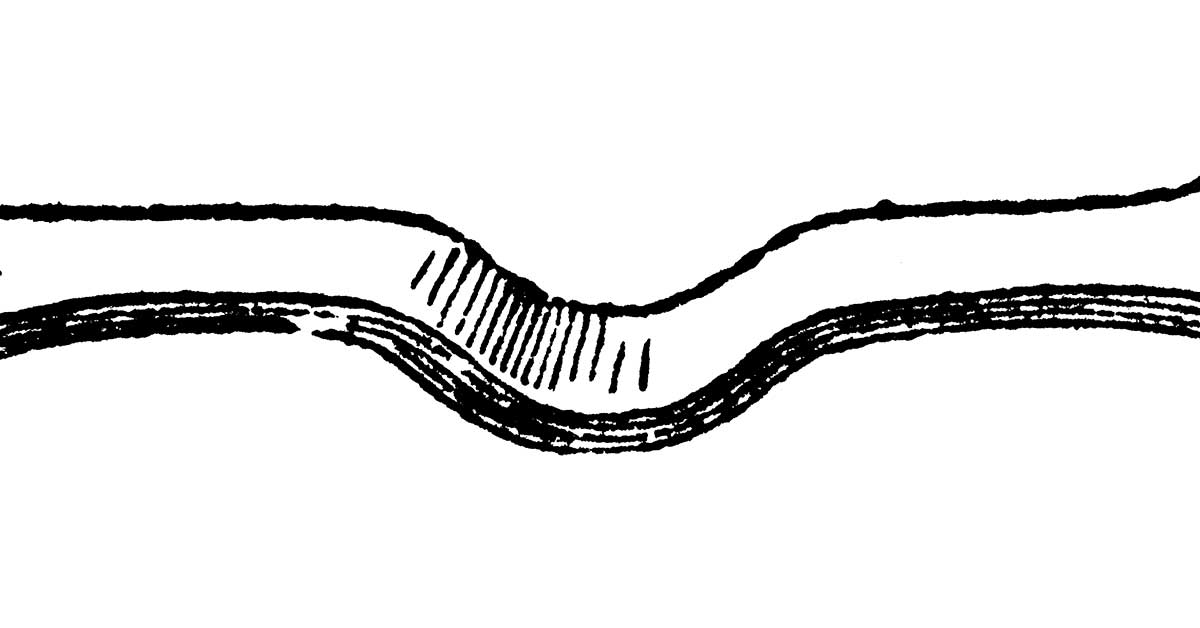
Your drains keep slowing down, even after someone clears the sewer line. Water flows normally for a few days, but the same problem keeps returning. The cause may be a sewer line belly. But, what is a sewer line belly – and how serious is it really? A “belly” is a spot where a low section of pipe allows wastewater to collect. A small belly may cause few problems, while a larger sag can trap waste and lead to backups. Its seriousness depends on the pipe’s slope, standing water, and how often clogs return. Understanding these factors can help you decide whether the line needs cleaning, further inspection, or repair.
What Does a Sewer Line Belly Mean?
A sewer line develops a belly when a section of the buried pipe sinks, creating a low area where wastewater may collect. Sewer pipes must slope downward to carry wastewater away from your home. If a section sinks below its proper position, water may collect there instead of continuing toward the main sewer.
Toilet paper, waste, and other debris may settle in this standing water and slowly build up. Unlike a normal clog, a belly in sewer line pipes involves the pipe’s slope rather than just trapped waste. The pipe may still be intact, even though water no longer flows through it properly.
What Causes a Belly to Form in a Sewer Line?
Soil settlement is one reason a sewer line belly can develop underground. As the ground shifts or sinks, part of the pipe may lose the support needed to stay level with its original slope. Poor installation, loose soil beneath the pipe, or erosion can also leave sections without enough support.
A sewer line sag may develop slowly as ground conditions change over several years. Nearby digging, construction, or changing soil moisture can also affect buried pipes. Our guide to winter ground movement and sewer line damage explains how shifting soil can place stress on underground lines.
How Serious Is a Belly in a Sewer Line?
Not every sewer line belly means the pipe needs immediate replacement. A short, shallow belly may cause little trouble if wastewater continues moving and clogs rarely occur. In some cases, a plumber may recommend watching the condition rather than starting repairs right away.
A deeper or longer belly is more concerning because it can hold more water and waste. Frequent clogs, sewage backups, or damaged pipe sections can increase the risk of sanitation problems and property damage. The decision to repair should depend on the inspection findings, actual drainage problems, and the pipe’s overall condition.
What Are the Warning Signs of a Sewer Line Belly?
A sewer line belly often causes the same symptoms as other main sewer line problems. These signs appear when wastewater cannot move freely through the pipe, although they cannot confirm a belly on their own.
Watch for these common warning signs:
- Sewer backups return after drain cleaning.
- Several sinks, tubs, or toilets drain slowly.
- Toilets gurgle when nearby fixtures are used.
- Wastewater rises through lower-level drains.
- Clogs keep forming in the same pipe section.
Cleaning may improve drainage for a while by removing waste trapped inside the low section. However, debris can collect again because the pipe’s slope remains unchanged. If the same symptoms return after cleaning, a closer inspection can help find the cause.
How Does a Plumber Diagnose a Sewer Line Belly?
A sewer camera inspection lets a plumber examine the inside of a buried pipe without digging it up first. The camera may enter pooled water and emerge farther along the line, suggesting a low section. However, a blockage farther downstream can also cause standing water, so the findings need careful review.
The plumber may need to clear the line before the camera can show the pipe properly. An inspection can help locate the sag, estimate its length, and reveal cracks or other damage. Our guide to sewer line leak detection with a camera explains how this equipment helps identify hidden pipe problems.
Can a Sewer Line Belly Be Fixed Without Digging?
Drain cleaning or hydro jetting can remove trapped waste, but neither method restores the pipe’s proper slope. These services may improve drainage when a minor belly causes buildup. However, cleaning treats the blockage rather than the low spot that allows waste to collect.
Trenchless pipe lining generally follows the existing pipe’s shape, so the belly may remain after lining. Pipe bursting also does not guarantee a better slope unless the new pipe is installed at the correct grade. The right repair method depends on the pipe’s condition, location, and surrounding soil.
When Does a Sewer Line Belly Need Repair or Replacement?
Sewer line belly repair becomes more important when standing water leads to repeated backups or the pipe has related damage. The affected section may need to be dug up so workers can restore proper support beneath it. Correcting the slope helps wastewater flow without collecting in the same low area.
A single damaged section may need only a targeted repair rather than full sewer line replacement. However, several low spots, broken joints, or widespread pipe damage may call for more work. Our guide to sewer line repair or replacement explains the factors that can affect this decision.
Conclusion
A sewer line belly forms when part of a sewer pipe sags, allowing wastewater and solid waste to accumulate in the sunken area. Small bellies may cause few symptoms, while larger ones can lead to recurring clogs and sewage backups. The seriousness depends on how much water remains, how well the pipe drains, and whether damage is present.
At Memphis Sewer & Water, we help homeowners inspect sewer lines and identify drainage problems. Our team can explain what the inspection shows and whether cleaning, further testing, or repair may be needed. If your sewer keeps backing up, contact us to discuss the problem before another blockage occurs.
Contact our team at Memphis Sewer & Water today, or call us at (901) 598-1999 to set up a sewer inspection and learn the condition of your sewer line.