
September 23, 2026
Should You Have Your Sewer Line Inspected Before Buying a Home?
The house looks well kept during your walkthrough. The sinks drain normally, the toilets flush, and the home inspection finds no clear plumbing problem. Still, the buried sewer line may have damage you cannot see. So, should you have your sewer line inspected before buying a home? Yes, having the sewer line inspected before buying a home can reveal hidden problems a visual inspection may miss. Roots, cracks, buildup, shifted joints, and low spots can exist while fixtures still work normally. The inspection gives you useful information before closing.
Why Can Sewer Problems Be Easy to Miss Before Buying a Home?
Most sewer lines run underground, so you cannot judge their condition during a walkthrough. Water may drain normally even when part of the line is partly blocked or damaged. A recently cleared pipe can also work well while the cause remains. Sellers may not know about an early problem if backups happen only occasionally. Buyers need information about the pipe itself, not only whether water drains that day.
What Does a Sewer Line Inspection Actually Check?
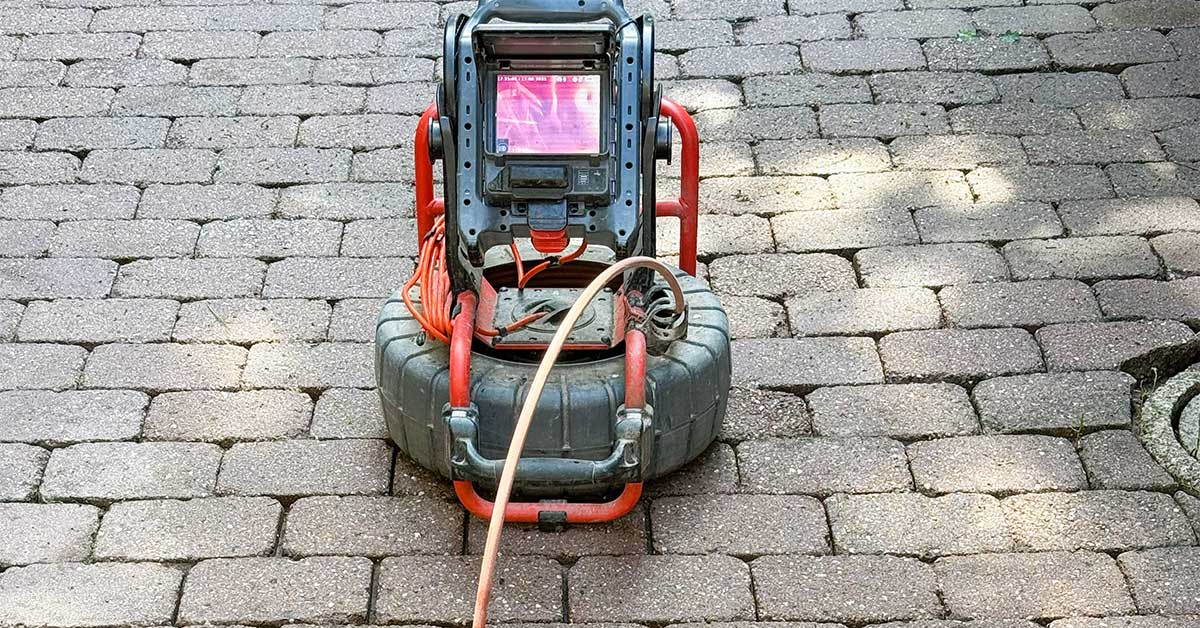
A plumber usually enters the line through an available cleanout and guides a small camera through the pipe. It may show roots, cracks, broken pipe, shifted joints, rust, buildup, low spots, or blockages. If mature trees are nearby, learn how tree roots affect sewer lines. The findings can show whether the line looks clear, needs cleaning, or needs a closer repair check.
Is a Sewer Inspection Different From a Standard Home Inspection?
Yes. A home inspector may run faucets, flush toilets, check visible plumbing, and note slow drainage. Those steps do not usually show the inside of the buried sewer line. A sewer camera gives a closer view of the pipe, so normal drainage alone does not prove the line is free of defects.
Why Should You Have Your Sewer Line Inspected Before Buying a Home?
A sewer inspection can help with many purchases, but some properties deserve a closer look. Pay extra attention when the home has:
- Older sewer materials.
- Large trees near the sewer route.
- Past slow drains or backups.
- A long period of vacancy.
- Records of sewer repairs.
- Several fixtures that drain slowly or gurgle.
Age alone does not prove there is a sewer problem. History, pipe material, nearby trees, and current symptoms give a better picture. Buyers can also review common sewer risks in older Memphis homes before closing.
What Warning Signs Should Buyers Look for During a Walkthrough?
Visible signs cannot confirm what is happening underground, but they can support a closer inspection. Watch for several slow drains, bubbling toilets, sewer odors, water rising in a tub, or wet areas in the yard. Ask about repeated drain cleaning or fresh work near a sewer cleanout. One slow sink may be local, while several affected fixtures can point to a larger problem.
Why Does the Age and Material of the Sewer Line Matter?
Sewer pipe materials have changed over time. Older homes may have clay, cast iron, Orangeburg, or other older materials. Joints can move and let roots enter, while metal pipe can rust or wear down. Newer pipe can have problems too, including poor installation, soil movement, crushing, or the wrong slope. Actual pipe condition matters more than age alone.
What Can You Learn From the Sewer Camera Results?
Do not focus only on whether someone says the line passed or failed. Ask what the camera showed, where the concern appears, and what it may mean.
- No major visible problem: The accessible line appears open and usable.
- Maintenance issue: Buildup or minor roots may need cleaning or future checks.
- More evaluation needed: Cracks, shifted joints, heavy roots, standing water, or wear need a closer look.
- Likely repair concern: A collapse, major break, or severe separation may require repair planning.
The plumber should explain the findings in plain language and point out where they appear. That is more useful than a simple pass-or-fail label.
What Should You Do If the Inspection Finds a Problem?
A sewer problem does not always mean you should walk away from the purchase. The next step depends on the type, location, and seriousness of the problem. You may need cleaning followed by another camera check, a closer plumbing review, or a repair estimate.
Ask where the damage sits and how much of the line may be affected. Then discuss the findings with the right real estate professionals before deciding how to proceed.
Who Is Responsible for the Sewer Line?
Buyers should find out which part of the sewer system belongs to the property owner. Ownership lines can vary by city or utility, so don’t assume the public system covers every underground problem. The boundary matters when a camera finds damage between the home and the public connection.
Check local utility rules to learn who is responsible for that section. This helps you understand what a defect could mean after ownership changes.
When Should You Schedule the Sewer Inspection?
Complete the sewer inspection while you still have time to review the findings before closing. Coordinating it with other property inspections can make the process easier. A serious finding may lead to cleaning, another camera check, or a repair estimate.
Waiting until after the purchase removes the chance to learn about the line before taking ownership. Leave enough time to understand the results instead of rushing through them.
Conclusion
A home can have working sinks and toilets while still having a hidden sewer-line problem. Look for warning signs, review the property’s plumbing history, and consider the age and condition of the line. A camera inspection gives you useful information about a part of the home you cannot easily see.
Memphis Sewer & Water can inspect accessible sewer lines and explain what the camera shows. We can help you understand whether the line looks clear, needs maintenance, or deserves further attention. Schedule a sewer camera inspection before buying a home so you can review the line before closing.
Contact our team at Memphis Sewer & Water today, or call us at (901) 598-1999 to set up a quick sewer camera inspection and learn the condition of your prospective home’s sewer line.