
August 20, 2026
How to Prevent Sewer Problems While You Are Away on Vacation
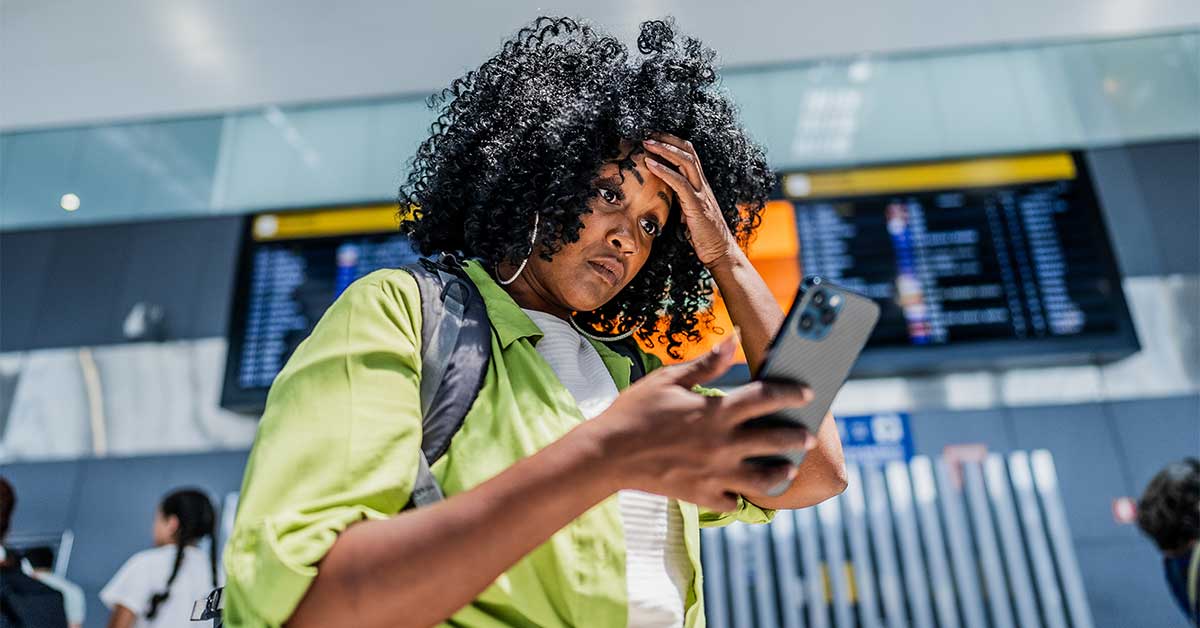
You get a text message when you’re in the airport heading home and it’s the pet sitter telling you about a sewer smell in the hallway. Nothing seemed wrong before the trip. Still, a dry drain trap or hidden blockage may have developed while the house sat empty.
Vacant homes face added plumbing risks because regular water use stops. Slow drains, loose seals, and small leaks can go unnoticed. By the time you return, a minor issue may require cleanup and repairs.
A few checks before leaving can lower that risk. Inspecting drains, filling traps, and dealing with known problems can protect the house. It also helps prevent an avoidable sewer emergency.
Which Vacation Conditions Increase the Risk of Sewer Trouble?
Long trips give hidden plumbing problems more time to grow. Warm indoor air can also speed up evaporation in little-used drain traps. Homes with older pipes, past backups, or slow drains face greater risk. We suggest giving these systems extra attention before leaving.
How Can Hidden Plumbing Problems Worsen in an Empty Home?
Several small issues can become harder to manage when nobody checks the property:
- A partial clog can restrict more of the pipe.
- A loose seal can release sewer odors.
- A small leak can spread into nearby materials.
- A dry trap can let sewer gas enter.
- A running toilet can waste water for days.
Daily activity often reveals these problems early. In an empty home, the first clear sign may appear after damage has spread.
How Should You Inspect Drains and Toilets Before Leaving?
Walk through the house and test every sink, shower, tub, and toilet. Water should drain without gurgling, rising, or moving unusually slowly. Look beneath sinks and around toilet bases for moisture, stains, or soft flooring. Check exposed pipes for rust, drips, and damp areas. Do not leave an active leak or slow drain for later. We recommend fixing the problem before traveling.
How Does Running Water Protect Drain Traps?
Run water through every sink, tub, shower, and floor drain before leaving. This fills the curved trap beneath each fixture and blocks sewer gas. Flush every toilet and make sure each bowl refills normally. Focus on guest bathrooms, basement drains, and utility sinks that receive little use.
Why Should You Fix Existing Sewer Problems First?
Recurring clogs can signal roots, grease buildup, damaged joints, or a sagging main line. The system may still drain, but the pipe has less open space. We often suggest a sewer camera inspection after repeated backups or slow drainage. It can reveal damage before wastewater returns through a lower drain.
Should You Shut Off the Main Water Supply?
Turning off the main water supply can limit damage from a leaking pipe, toilet, or appliance. It will not prevent a sewer clog. Some heating systems, treatment units, or outdoor equipment may still need water. Review those needs before closing the main valve. When the house can safely remain without water, shutting it off adds useful protection. We can help explain what may affect that choice.
What Should Stay Out of Drains Before a Trip?
Keep grease, food scraps, coffee grounds, wipes, and thick waste out of sinks and toilets. These materials can collect inside pipes that already contain buildup. Wipe oily pans before washing them and place food waste in the trash. Flush only toilet paper and normal waste.
Which Warning Signs Need Attention Before You Leave?
Check for signs that may point to a developing drain or sewer problem:
- Several fixtures drain slowly at the same time.
- Toilets bubble when nearby water runs.
- Sewer odors come from drains or lower rooms.
- Water rises in a tub after a toilet flush.
- Damp soil appears near the sewer cleanout.
More than one affected fixture often points to the main line. Call a plumber before leaving rather than hoping the problem stays quiet.
What Extra Steps Help During a Longer Vacation?
A trip lasting several weeks needs more planning. Ask a trusted person to check for:
- Standing water near toilets, sinks, or floor drains.
- New stains on walls, ceilings, or cabinets.
- Strong odors in bathrooms or basements.
- Toilets that run or lose bowl water.
- Damp soil near an outdoor cleanout.
During each visit, they can run water in little-used fixtures and flush the toilets. Leave instructions for the main shutoff and plumber. Before a long absence, arrange an inspection if the sewer line has caused trouble before. We can locate hidden damage before the trip.
Conclusion
Preventing sewer problems during a vacation starts before you lock the door. Check drains, repair known issues, fill each trap, and keep clog-forming waste out. Shut off the main water when the home can safely remain without it. For longer trips, arrange property checks and leave simple emergency instructions. We can inspect an older or unreliable sewer line before you travel.
Contact our team at Memphis Sewer & Water today, or call us at (901) 598-1999 to set up a quick sewer camera inspection and reduce the risk of costly damage while your home sits empty.